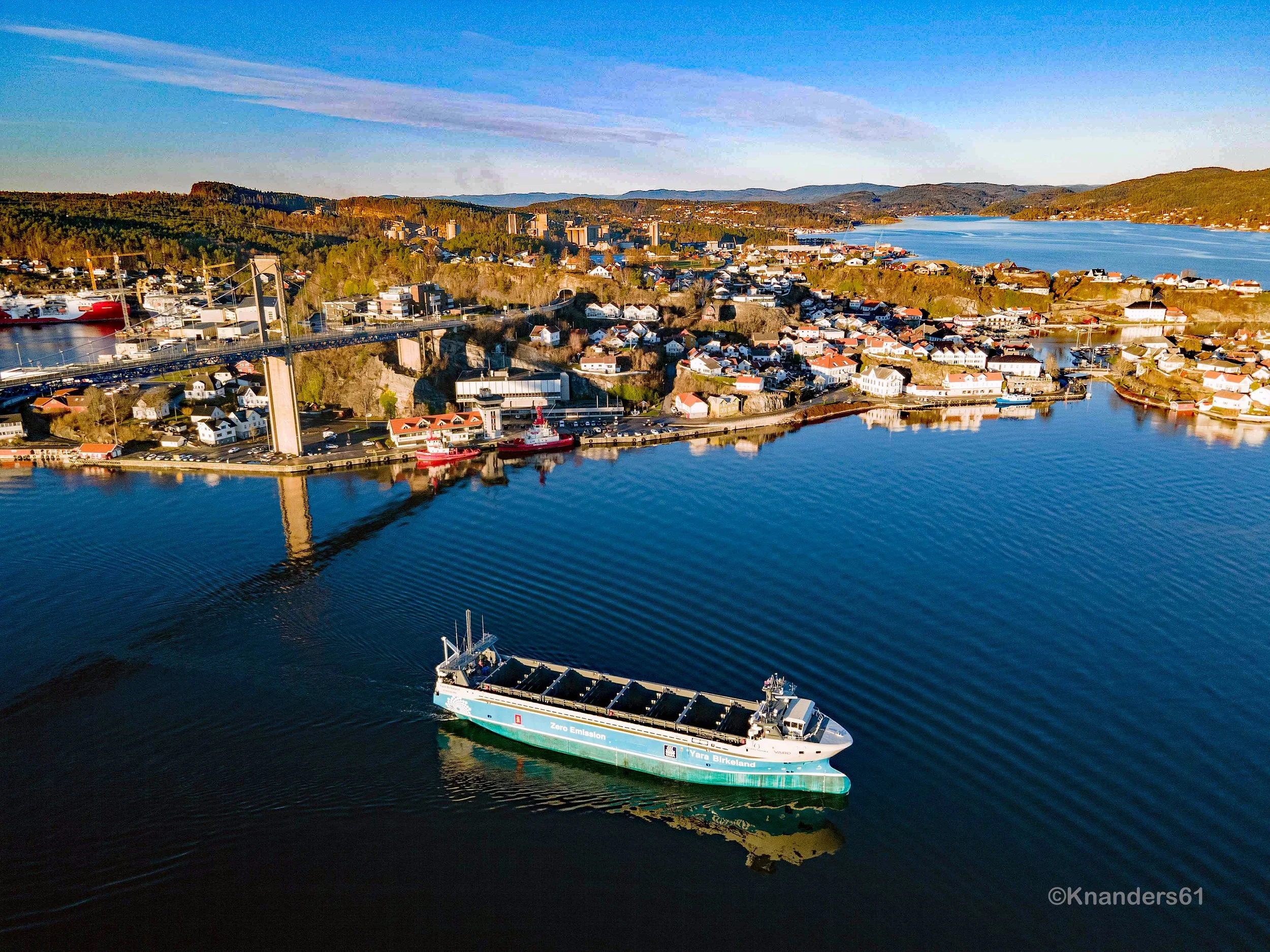
Making autonomy
a reality.
From concept and vessel construction to remote operations. We turn maritime innovation into safe, scalable solutions.
The future of maritime operations is already underway.
Massterly is the world's first company set up for management and operation of remote-controlled and autonomous vessels.
A joint venture between Kongsberg Maritime and Wilhelmsen, we combine world-leading maritime technology with generations of ship management experience — always with safety first.
One partner, from first sketch
to daily operation.
Three connected service areas form a complete value chain for remote and autonomous shipping.
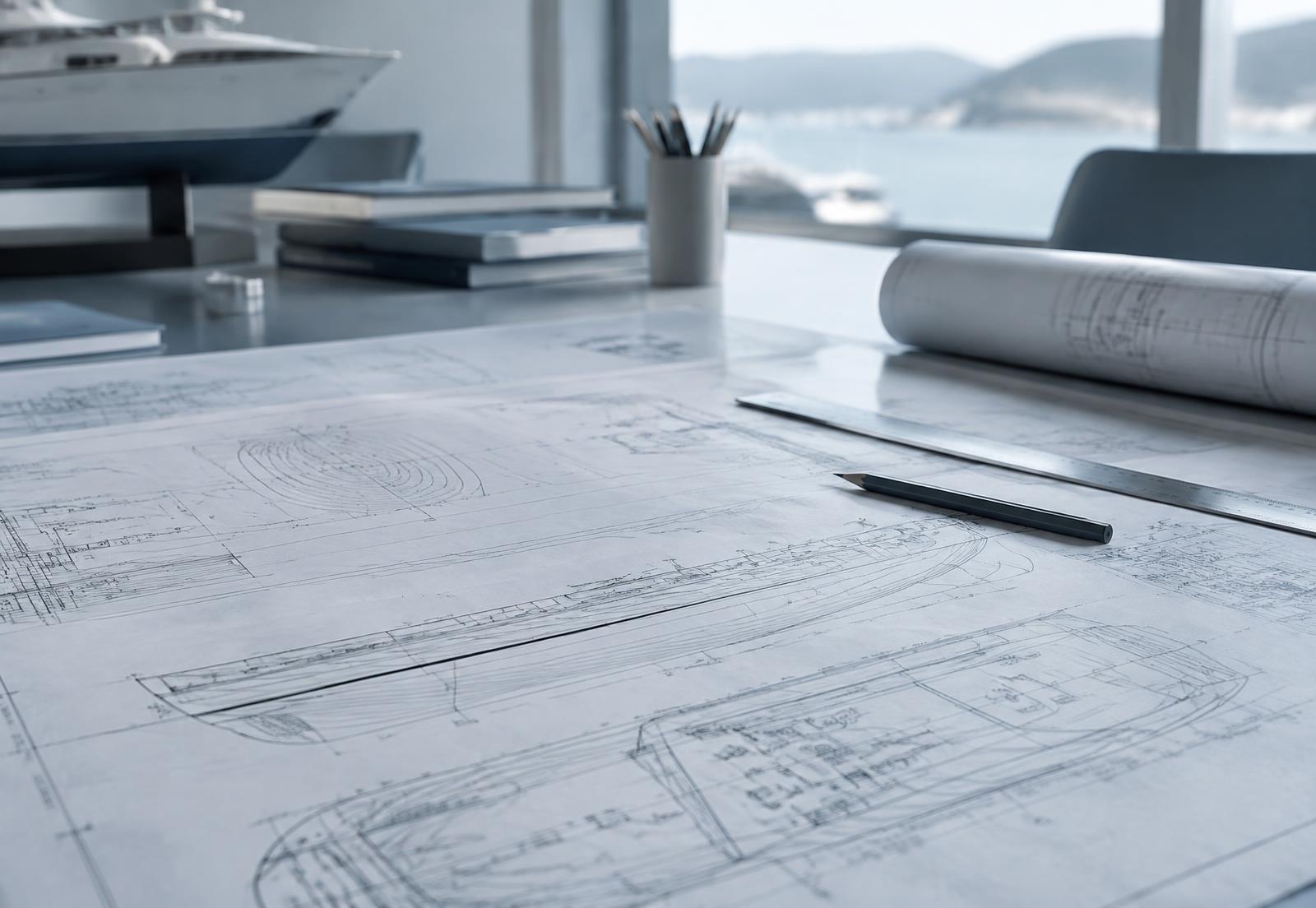
Studies & Design
From concept to a viable business case, FEED and simulations.
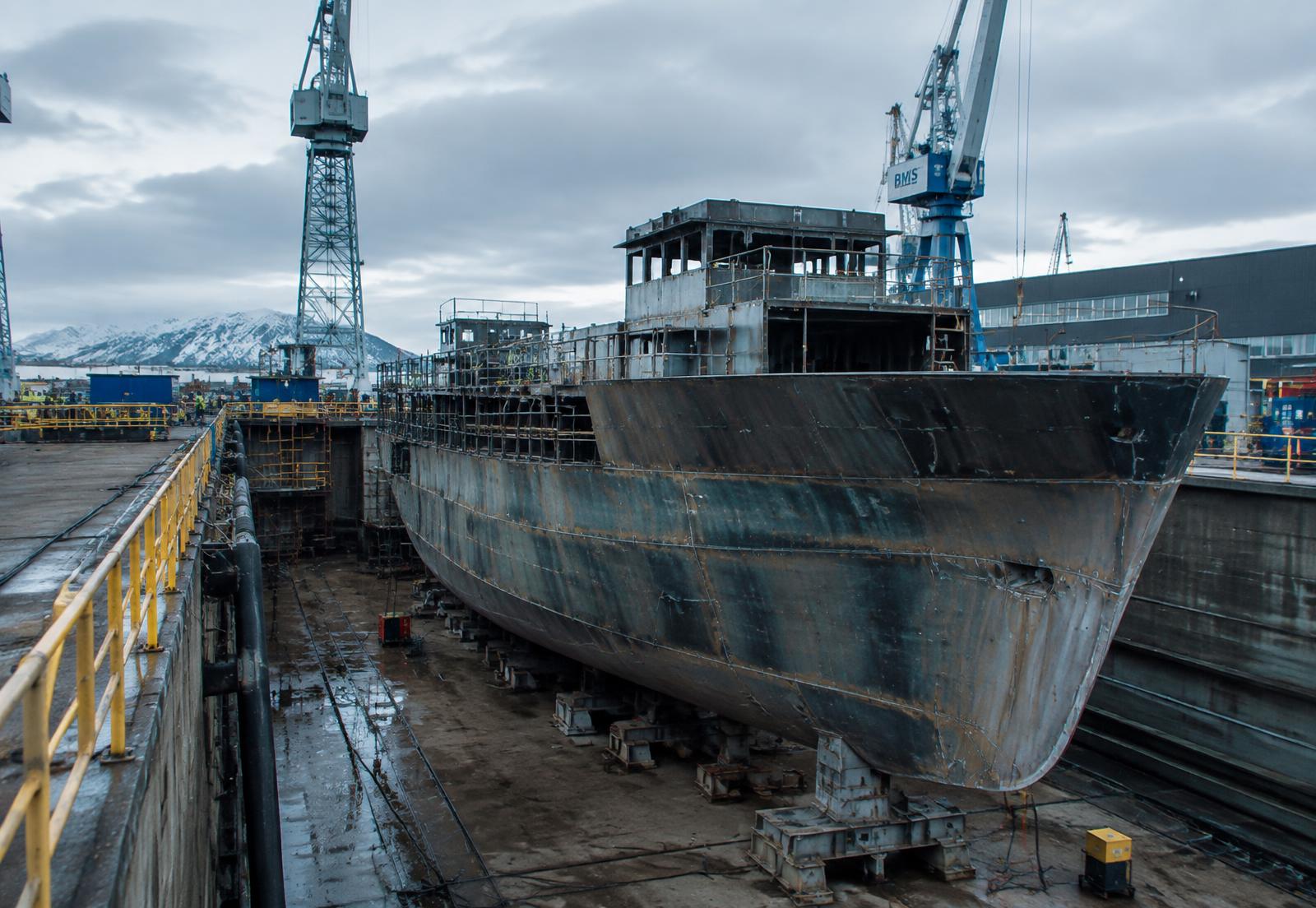
Construction Assistance
Guidance through every build phase — contracting to on-site supervision.
Operations
Technical management, vessel management and Chief2Shore — a complete operational suite.
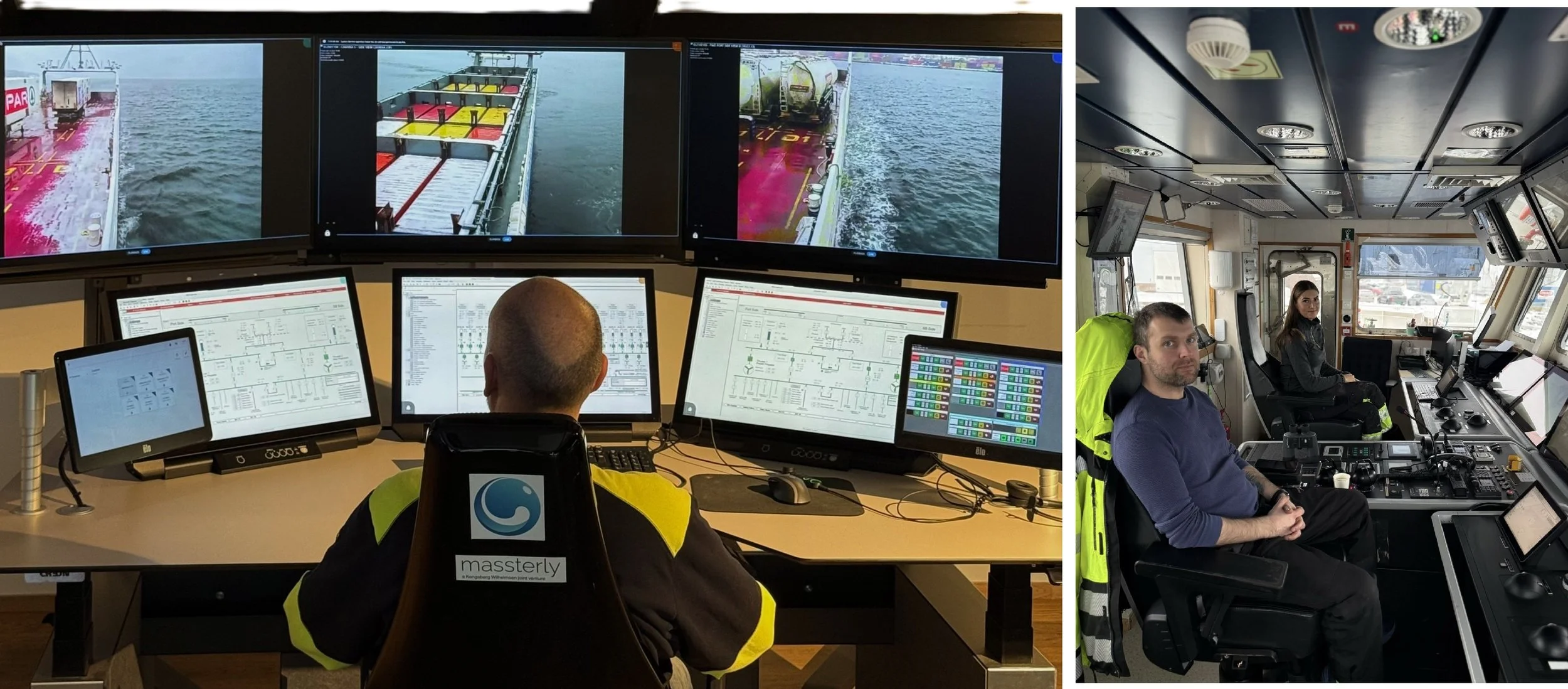
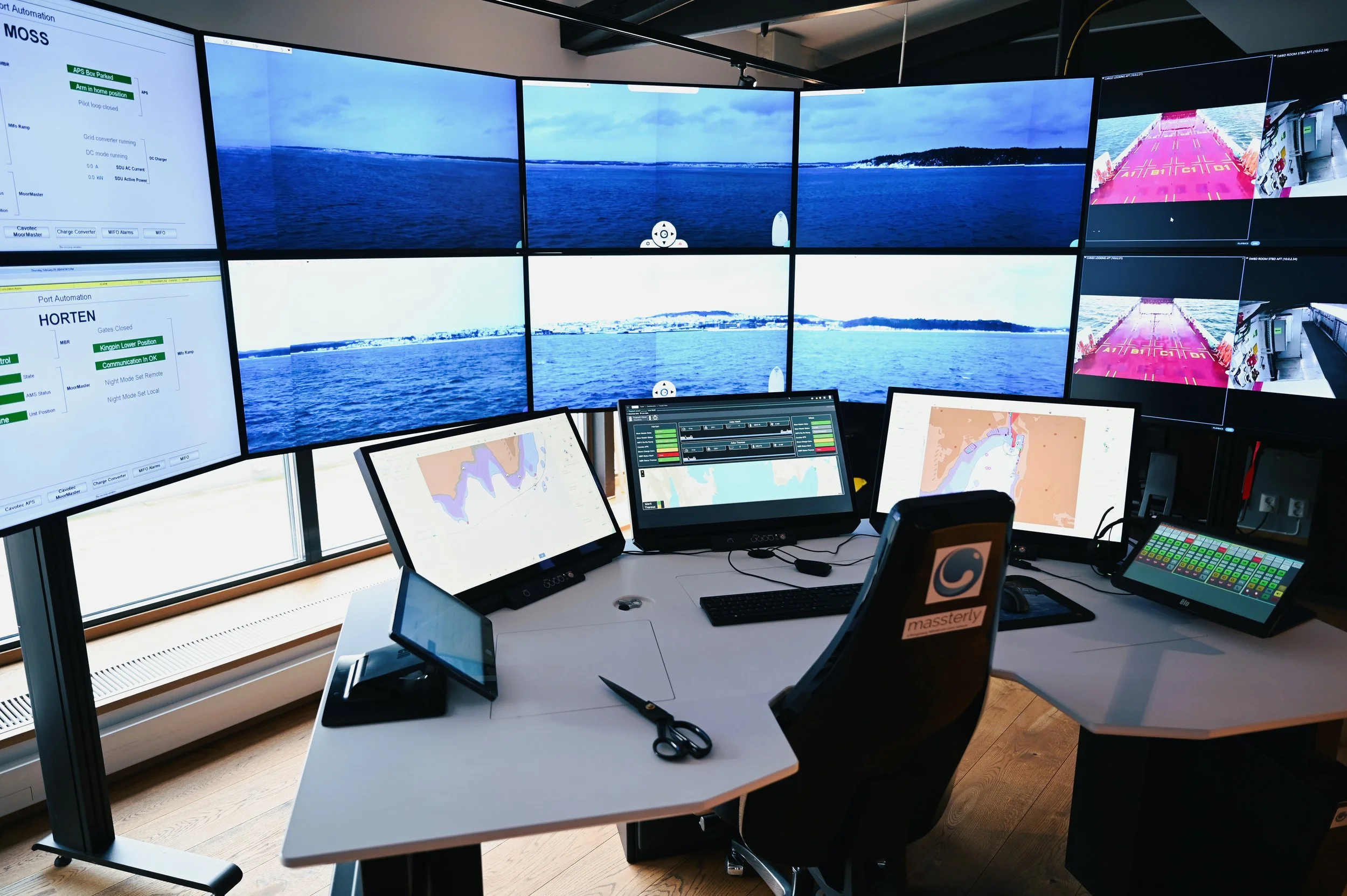
Where maritime expertise meets remote operations.
From our ROC in Horten, experienced captains, navigators and engineers monitor and support vessels from shore — mirroring the bridge with alarms, camera feeds and drawings.
- Remote vessel monitoringContinuous supervision of several vessels from shore.
- Operational supportReal-time guidance and rapid response to the crew.
- Technical managementMaintenance, inspections and troubleshooting.
- Chief2ShoreEngineering expertise moved from vessel to shore.
Autonomy in action.
Vessels in commercial operation and development — designed, supervised and managed with Massterly.
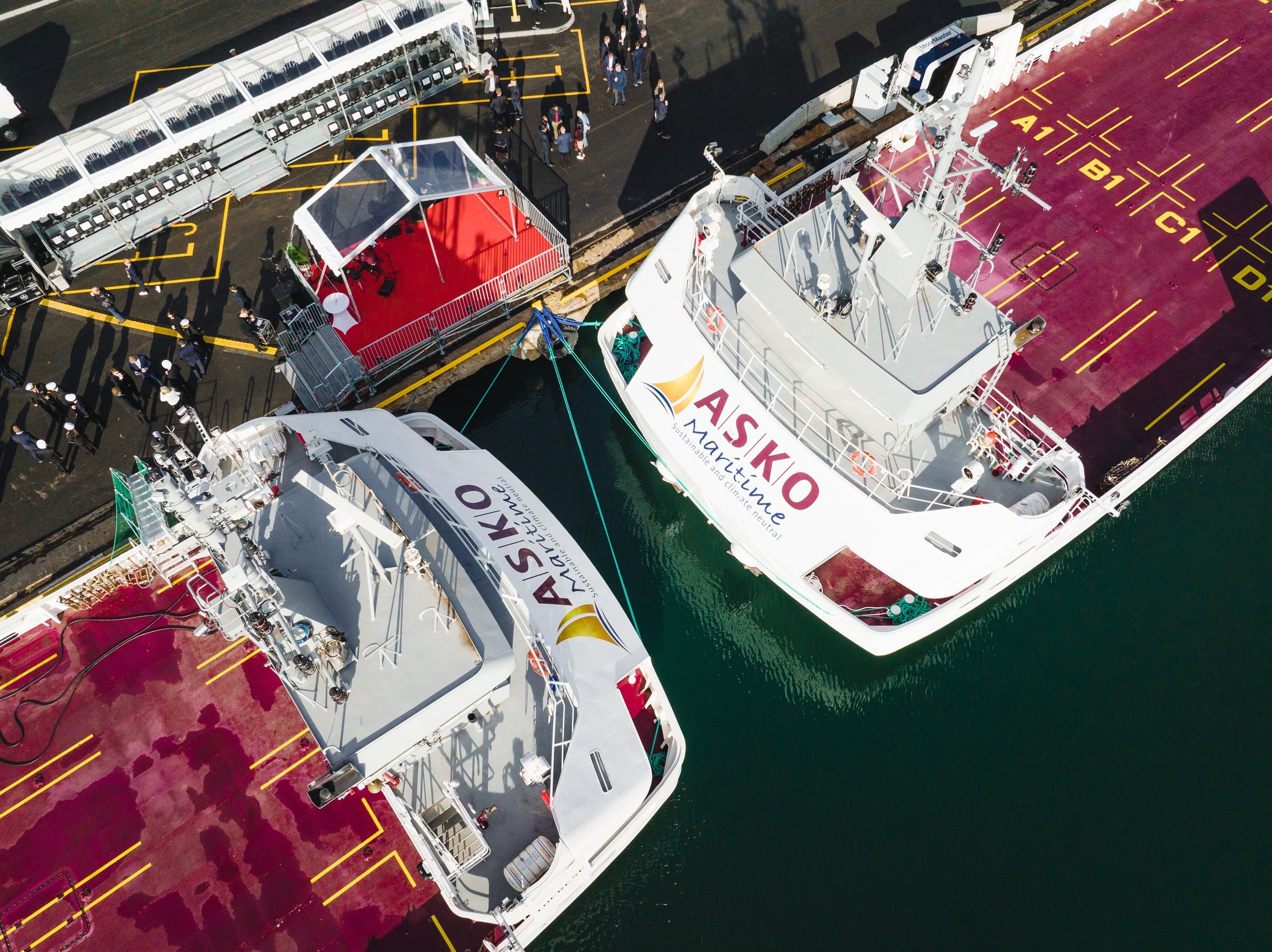
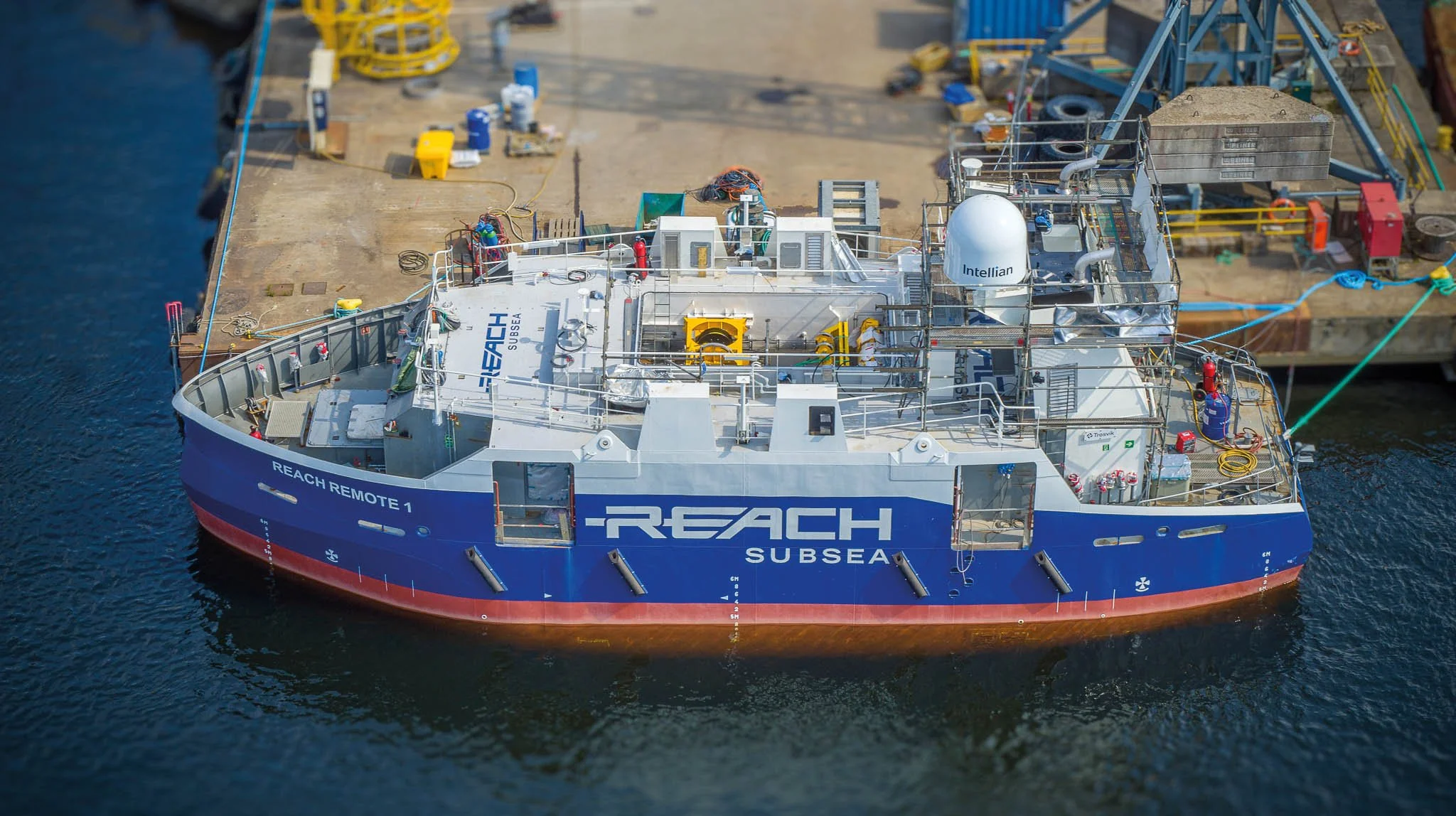
Smarter operations. A more sustainable future.
Autonomy is not about removing people — it is about putting maritime expertise where it creates the most value.
Why autonomy?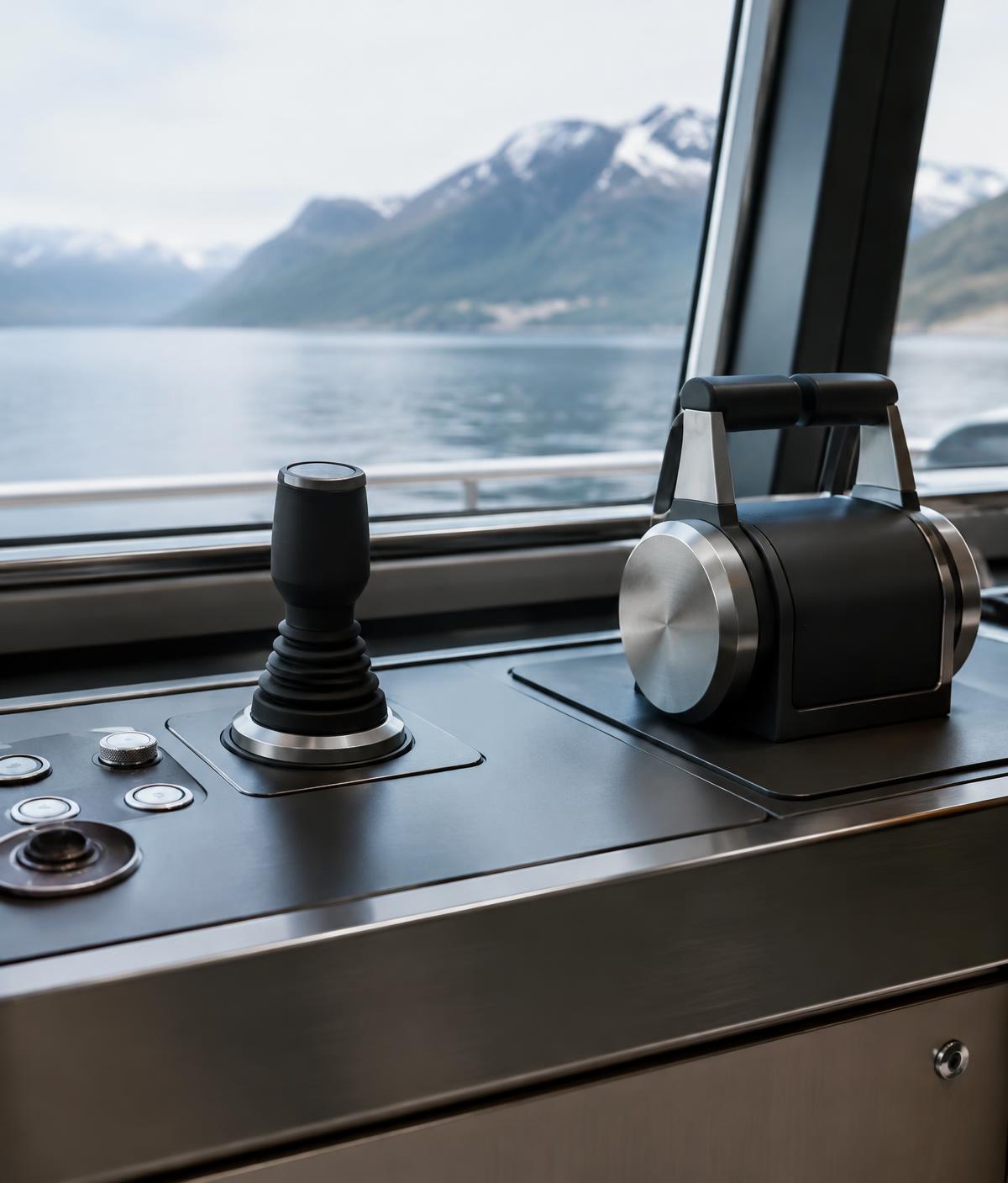
Operational efficiency
Automated mooring, charging, loading and navigation reduce idle time and simplify routine operations.
Better use of expertise
One shore-based engineer can support several vessels at once.
Potential for lower emissions
Battery-electric, autonomous vessels open for zero-emission short-sea routes.
New logistics options
Smaller, frequent sailings make sea transport viable on new routes.
Remote support
Continuous monitoring from the ROC adds an extra layer of safety.
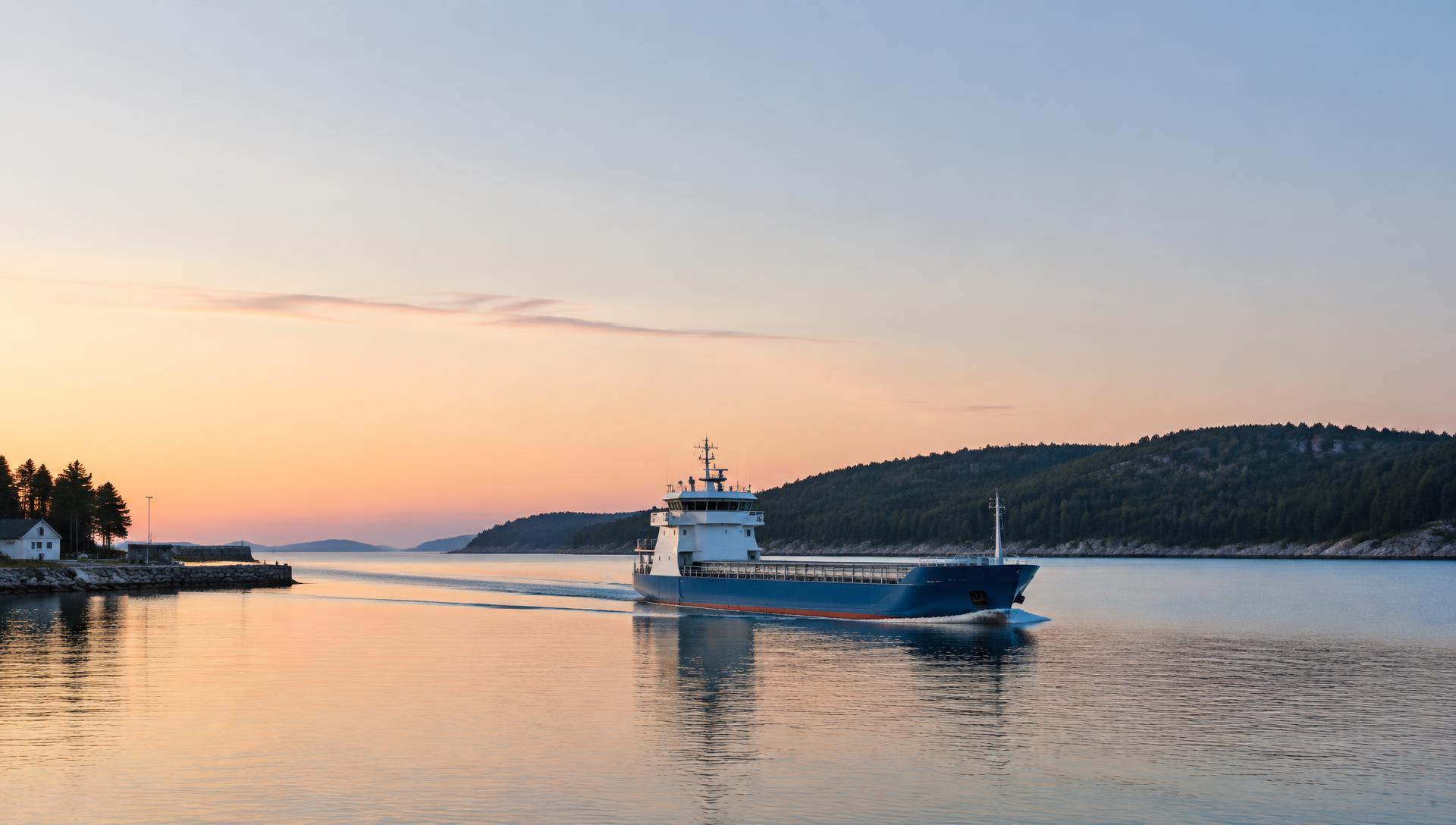
Shifting transport from congested roads to the efficiency of the sea.
Autonomous short-sea vessels make it possible to move cargo by water on routes where trucks used to be the only option.
Latest insights
Let's shape the future of maritime operations.
Whether you are exploring a first concept or preparing a vessel for shore-based operation, our captains, engineers and navigators are ready for the conversation.